Gestational diabetes is a condition that develops exclusively during pregnancy and happens when the hormones from the placenta block the ability for the body to use or make insulin, leading to high blood sugar levels.
If you’ve been diagnosed with gestational diabetes, consult a healthcare professional (such as your physician, a registered dietitian or certified diabetes educator). They can help you create a personalized treatment plan to best manage your blood sugars. Typical treatment may include healthy eating, exercise and possibly medications like insulin.
Our area of expertise falls in the healthy eating category – and fruits and veggies are excellent for helping manage your blood sugar levels.
- Fruits and veggies are rich in dietary fiber, which aids in digestion, keeps you fuller for longer and helps maintain stable blood sugar levels.
- Fruits and veggies are packed with vitamins, minerals and “nutrient-like” compounds called phytochemicals, which not only give produce their colors, but also can be protective against certain diseases.
Jump to:
Overall healthy eating tips
Before we dive into fruits and veggies, let’s look at the big picture. As you’re planning your meals and snacks, these are the foods you’ll want to prioritize.
- Whole fruits – at least half of your recommended amount of fruit should be whole fruit.
- Non-starchy veggies, which keep you feeling full for longer without as many calories and carbs. (See below!)
- Quality carbohydrates such as whole grains, beans, peas, and lentils, as well as starchy veggies, like corn and potatoes.
- Lean proteins like fish, poultry, lean cuts of pork or beef, and plant-based sources of protein like nuts, seeds and soy.
- Healthy sources of fat like olive oil, avocado, nuts and seeds.
- Low-fat or fat-free dairy products.
- Water or zero-calorie beverages.
You also can use The Diabetes Plate, created by the American Diabetes Association® (ADA), as a simple reference for how to balance these foods and put together healthy meals. All you need is a plate that’s nine inches across! Then, you fill it in:
1/2: Non-starchy vegetables
1/4: Lean protein foods | 1/4: Carbohydrate foods
Of course, sometimes you’re eating dishes that combine multiple types of food – like many of our recipes for gestational diabetes meals and snacks. Just consider what’s in the dish and adjust your portion size accordingly.
Best veggies for gestational diabetes
Generally, it’s good to vary your veggies. Eating different types of veggies can help you add a mix of protein, vitamins, minerals, antioxidants and fiber to your diet.
The following lists include a variety of veggies and links to pages that dive deeper into each one. Explore for insights into nutrition information, helpful storage tips and more.
Non-starchy veggies
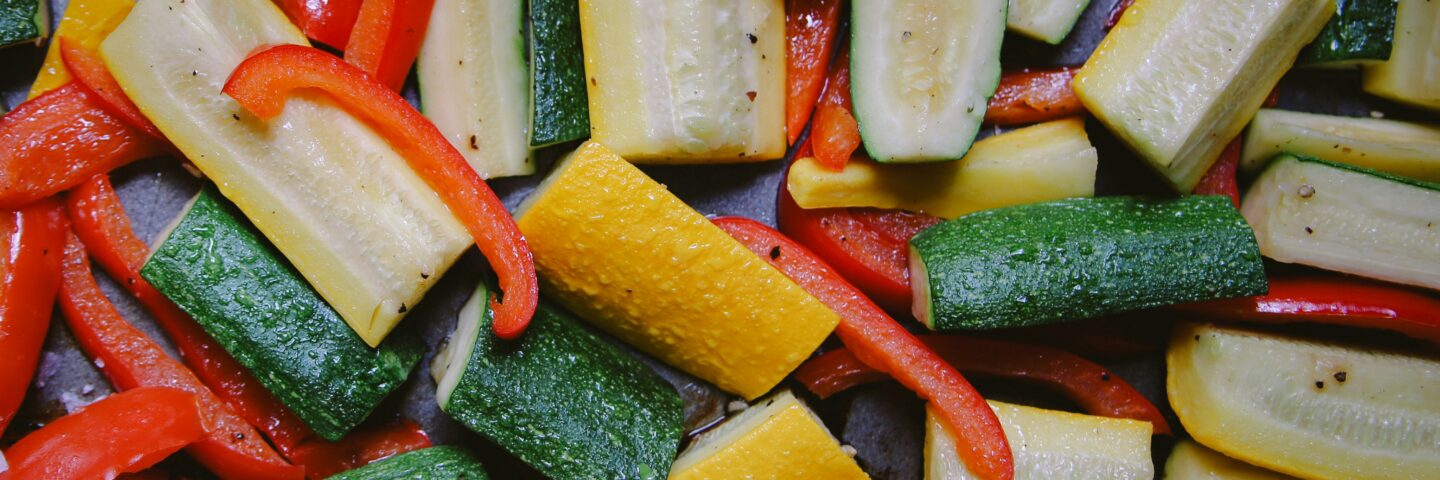
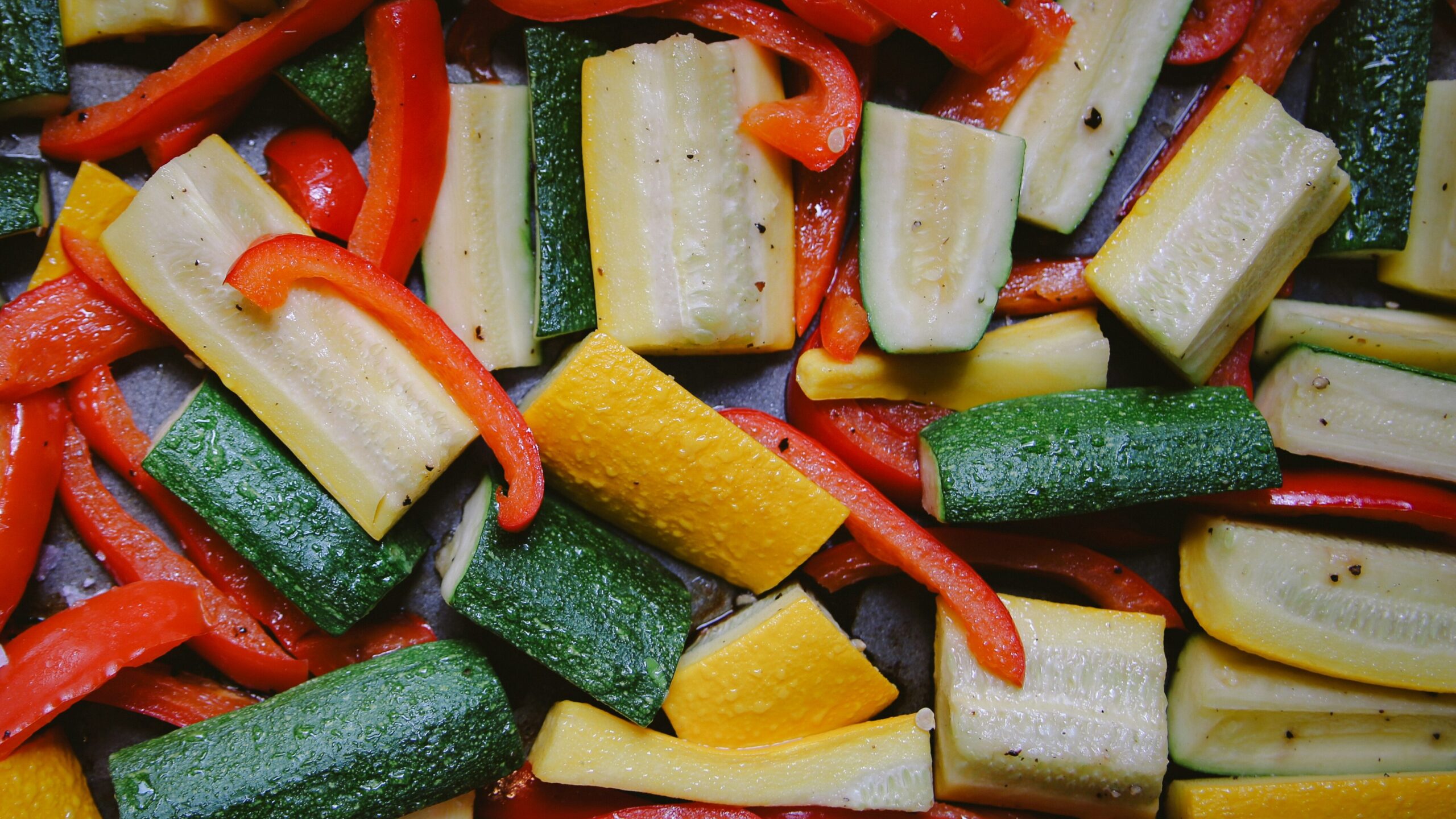
The best veggies for gestational diabetes are non-starchy veggies – or at least, they’re the veggies you can use to fill a larger part of your plate! In fact, the ADA counts non-starchy veggies on their list of “superstar foods” for diabetes.
- Asparagus
- Beans and peas (green beans, pea pods, snow peas, sugar snap peas)
- Broccoli and cauliflower
- Brussels sprouts and cabbage (green, red, napa, Chinese)
- Carrots
- Celery
- Cucumber
- Eggplant
- Leafy greens (collards, kale, mustard greens, Swiss chard)
Starchy veggies
Starchy vegetables can still be on the menu – just in smaller portions. They’re considered quality carbohydrates, and when you’re meal planning, they should be on the same 1/4 of your plate as whole grains.
- Acorn and butternut squash
- Black, kidney, pinto and garbanzo beans
- Corn
- Parsnip
- Plantains
- Potatoes, sweet potatoes and yams
- Pumpkin

Best fruits for gestational diabetes
Yes, fruit is naturally sweet. And yes, most people can still include fruit in their diet!
The fiber in whole fruits help their natural sugars enter the blood more slowly and evenly after a meal, allowing insulin to effectively control blood sugar levels.
Superstar fruits
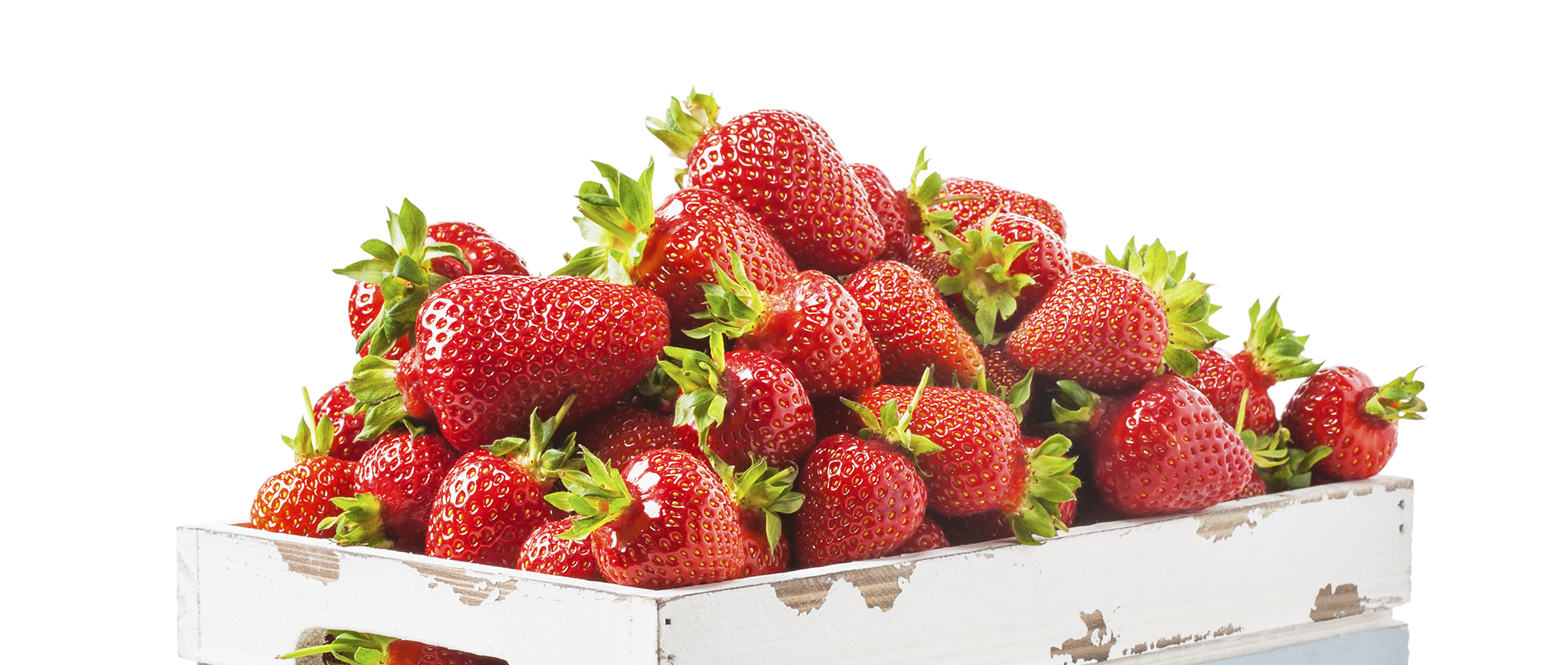
The best fruits for gestational diabetes are those that offer more fiber, vitamins and minerals with fewer carbs in a serving. Several fruits are on the ADA’s “superstar” list, including:
- Berries (blackberries, blueberries, raspberries, strawberries)
- Citrus fruit (grapefruits, lemons, limes, oranges)
More fruit options
That doesn’t mean all others are fruits to avoid in gestational diabetes, though!
Typically, all fruits can be worked into a meal plan for diabetes. That includes popular options such as:
- Apples
- Bananas
- Grapes
- Mango
- Melon (cantaloupe, honeydew, watermelon)
- Peaches
- Pears
Just stay mindful of portion sizes and work with a healthcare professional to determine what’s best for you.

Gestational diabetes meals and snacks
While fruits and veggies are oh-so-enjoyable on their own, you probably want to mix it up and enjoy them in a variety of dishes, too! We’ve compiled some of our favorite recipes for gestational diabetes meals and snacks that are tasty and fit in a healthy diet.
We’re always adding to our collection – so check these out, then check back soon for more diabetes-friendly recipes!
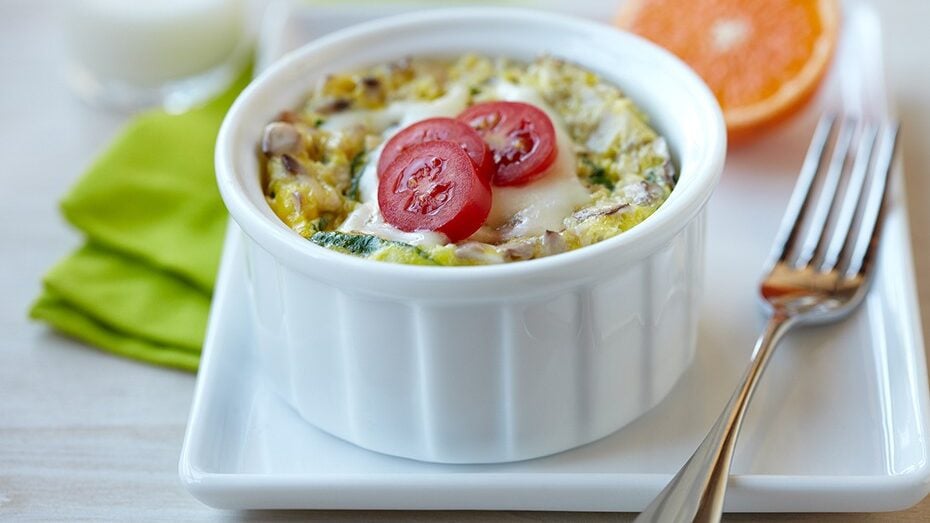
Breakfast Recipes
Start your day off strong by pairing protein with fruits and veggies for fiber, vitamins and minerals, and delicious flavor worth waking up for.
- Pumpkin Spice Overnight Oats
- Corn & Zucchini Pan Omelette
- Egg-celent Breakfast Muffins
- Microwave Egg & Veggie Breakfast Bowl
Snacks & Sides
Snacking is a way of life! These fruit and veggie-forward snacks and sides make it easier to make healthy choices, from bold tastes to satisfying crunch.
- Mini Greek Bell Pepper Boats
- Peach Guacamole
- Broccoli Salad with Sweet Lemon Dressing
- Crispy Baked Carrot Fries

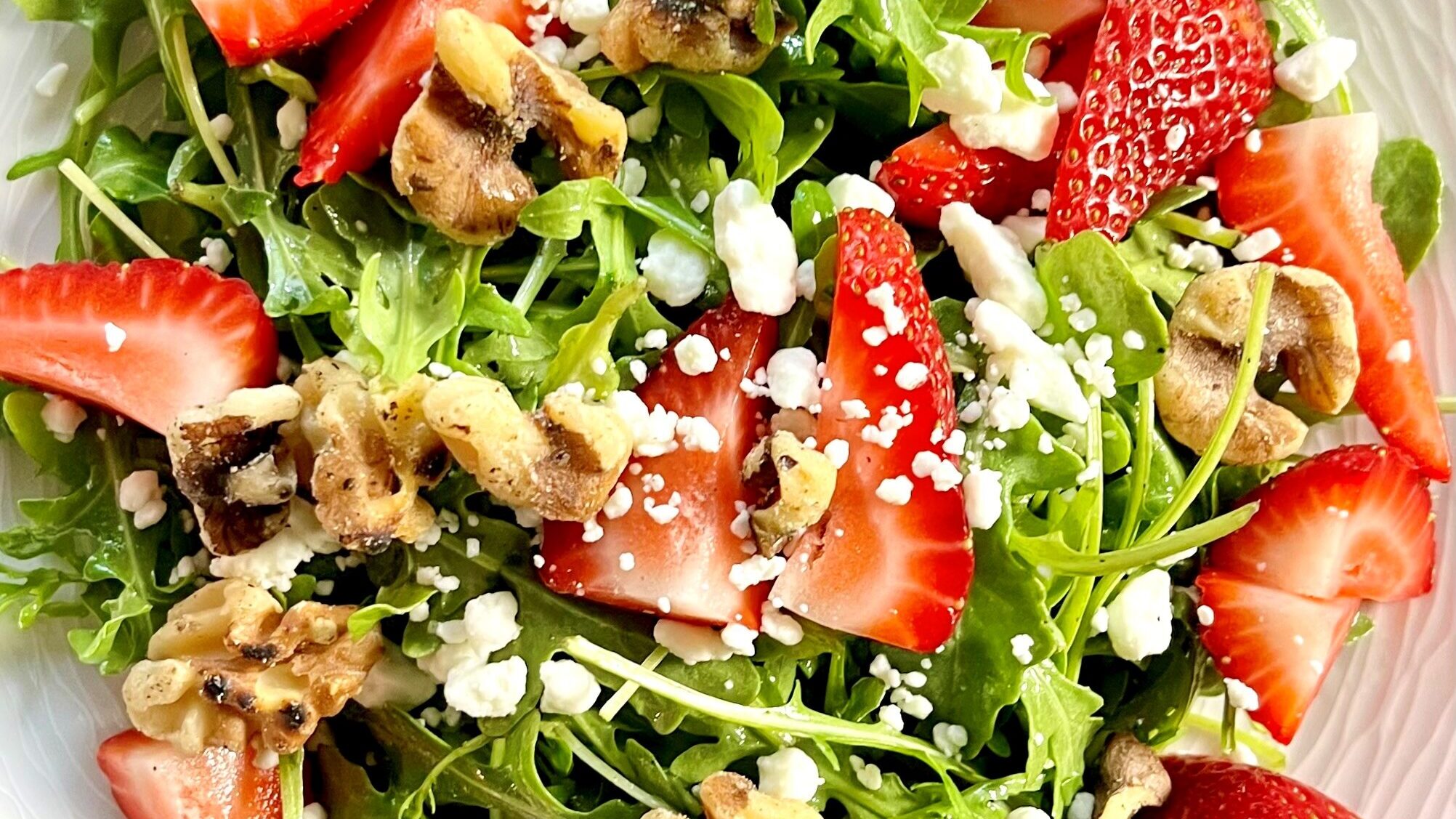
Salads
Salads are a natural way to add more fruits and veggies to the diet – and with so many different combinations, you can keep it fresh each season.
Main Dishes
Fruits and veggies elevate any main with added nutrients and flavor. Bonus: when you know you only have one pan to wash, everything tastes even better!
- Skirt Steak Salad with Miso-Ginger Dressing
- One Skillet Pork Chops, Brussels Sprouts & Sugarbee Apples
- Grilled Cilantro Lemon Chicken Kabobs
- Sheet Pan Apricot Chicken & Carrots

Gestational diabetes resources
Need a quick resource to reference? Have more questions? Check out these resources to learn more and connect with experts.
Have A Plant® Diabetes Handout
American Diabetes Association
Academy of Nutrition & Dietetics
The information on this page is not intended as a substitute for medical advice. People with diabetes should work with healthcare professionals to create an individual treatment plan.