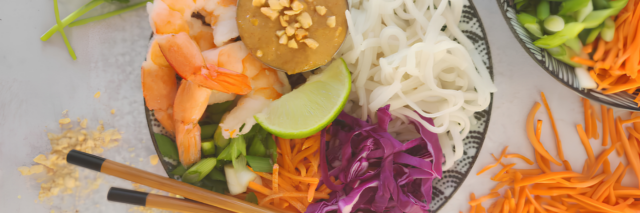
Type 2 diabetes is a condition that affects how the body uses insulin, which can lead to high blood glucose levels.If you’re living with type 2 diabetes, healthy eating is one important piece of an individualized treatment plan created with your healthcare team.
Fruits and veggies are excellent for managing type 2 diabetes. Here’s why:
- They’re rich in dietary fiber which aids in digestion, keeps you fuller longer and helps maintain stable blood glucose levels.
- They’re packed with vitamins, minerals and “nutrient-like” compounds called phytochemicals which not only give produce their colors but also can be protective against certain diseases.
So, what does diabetes-friendly eating actually look like, and which fruits and veggies can you enjoy? Let’s dig in.
Jump to:
What does “diabetes-friendly” eating really mean?
There’s no single food or meal that makes or breaks a diabetes-friendly eating pattern. Instead, focus on the bigger picture: building balanced meals and snacks with a variety of nutrient-dense foods you enjoy.
As you plan meals and snacks, aim to include:
- Plenty of fruits and veggies. Choose a variety of colorful non-starchy veggies and whole fruits. Starchy vegetables, like corn, potatoes and winter squash, can fit, too.
- Quality carbohydrates. Reach for whole grains, beans, peas, and lentils, along with fruits and starchy vegetables.
- Lean and plant-based proteins. Fish, poultry, lean cuts of pork or beef, eggs, nuts and seeds, beans, and soy foods can all help round out a balanced meal.
- Healthy sources of fat. Think olive oil, avocado, nuts and seeds.
- Low-fat or fat-free dairy products, as well as water or zero-calorie beverages can also be part of a balanced eating pattern.
Need an easy visual? The Diabetes Plate, created by the American Diabetes Association® (ADA), is a simple way to think about how these foods come together:
1/2: Non-starchy vegetables
1/4: Lean protein foods | 1/4: Carbohydrate foods
And remember, meals don’t always fit neatly into sections of a plate! Salads, bowls, noodle dishes and other combination foods can bring several food groups together in one delicious dish. Consider the ingredients in your meal and how they fit together to create an overall balanced plate.
What are the best fruits & veggies for people with diabetes?
You may wonder whether certain fruits and veggies are better choices than others. The good news is that there’s room for a wide variety! Rather than focusing on a short list of “best” options, think about choosing a variety of fruits and veggies while considering how they fit into your overall meal or snack.
Fill up on non-starchy veggies
Non-starchy veggies are a great place to start. Broccoli, leafy greens, peppers, tomatoes, cucumbers, cauliflower, and many others provide fiber and important nutrients while bringing plenty of color, flavor, and texture to meals.
Don’t count out starchy veggies
Starchy veggies like potatoes, corn, peas and winter squash contain more carbohydrates than non-starchy veggies, but that doesn’t mean they’re off the menu. They also provide fiber, vitamins, minerals, and other important nutrients.
Since starchy veggies count toward the carbohydrate portion of the Diabetes Plate, think about the rest of your meal when adding them to your plate. Pair them with non-starchy veggies and a source of protein for a balanced, satisfying combination.
Can you eat fruit with diabetes? Yes!
Fruit sometimes gets a bad rap when it comes to diabetes because it contains naturally occurring sugar. But yes, people with diabetes can eat fruit! Whole fruits also provide fiber, vitamins, minerals, and beneficial plant compounds, making them a nutritious part of a balanced eating pattern.
Enjoy a variety of fruits and think about how they fit with the rest of your meal or snack. Try berries with Greek yogurt, an apple with peanut butter, or fruit alongside a meal that includes protein, veggies and other nutrient-rich foods.
The bottom line? Focus on variety, balance, and finding produce you genuinely enjoy. Fresh, frozen, canned, and dried fruits and veggies can all have a place, giving you plenty of ways to add more produce to your day.
Need a little inspiration? The diabetes-friendly recipes below put these principles into practice with colorful fruits and veggies, whole grains, satisfying proteins and plenty of flavor.
10 diabetes-friendly recipes to try
Ready to put it all together? These colorful recipes showcase just how flavorful and varied diabetes-friendly eating can be, with plenty of fruits and veggies taking center stage.
Salads & Sides
Salads and sides are an easy way to bring more color, texture and variety to your plate. These recipes go beyond basic greens with satisfying combinations that can complement a meal or become the starting point for one.
- Chop and Toss Rainbow Salad
- Roasted Broccoli Salad
- Quinoa Tabbouleh
- Savory Pearl Millet & Mung Bean Bhel Salad

Noodles & Bowls
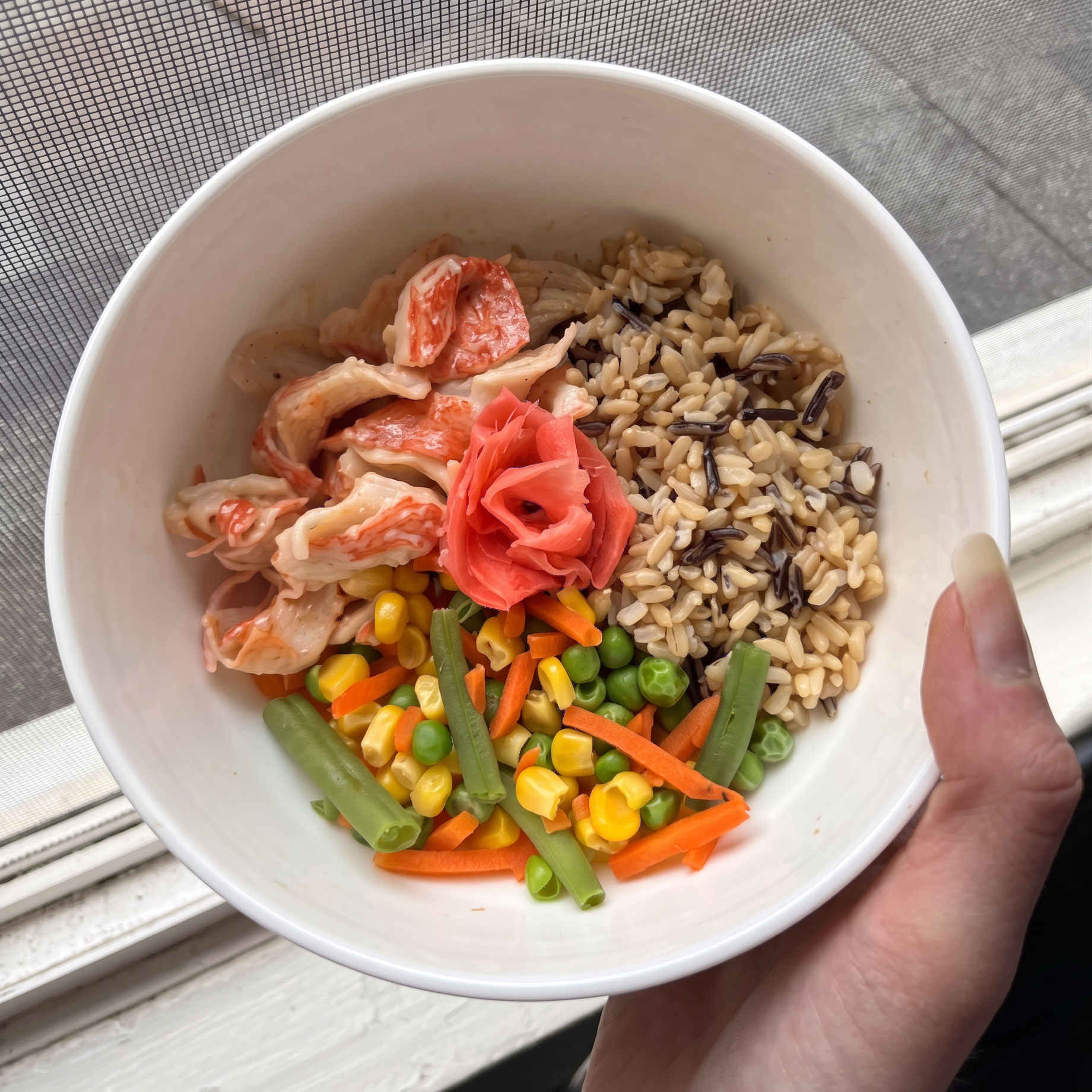
Bowls and combination dishes bring veggies, protein and carbohydrate foods together, making them a flavorful way to put the principles you just learned into practice.
Breakfast & Something Sweet
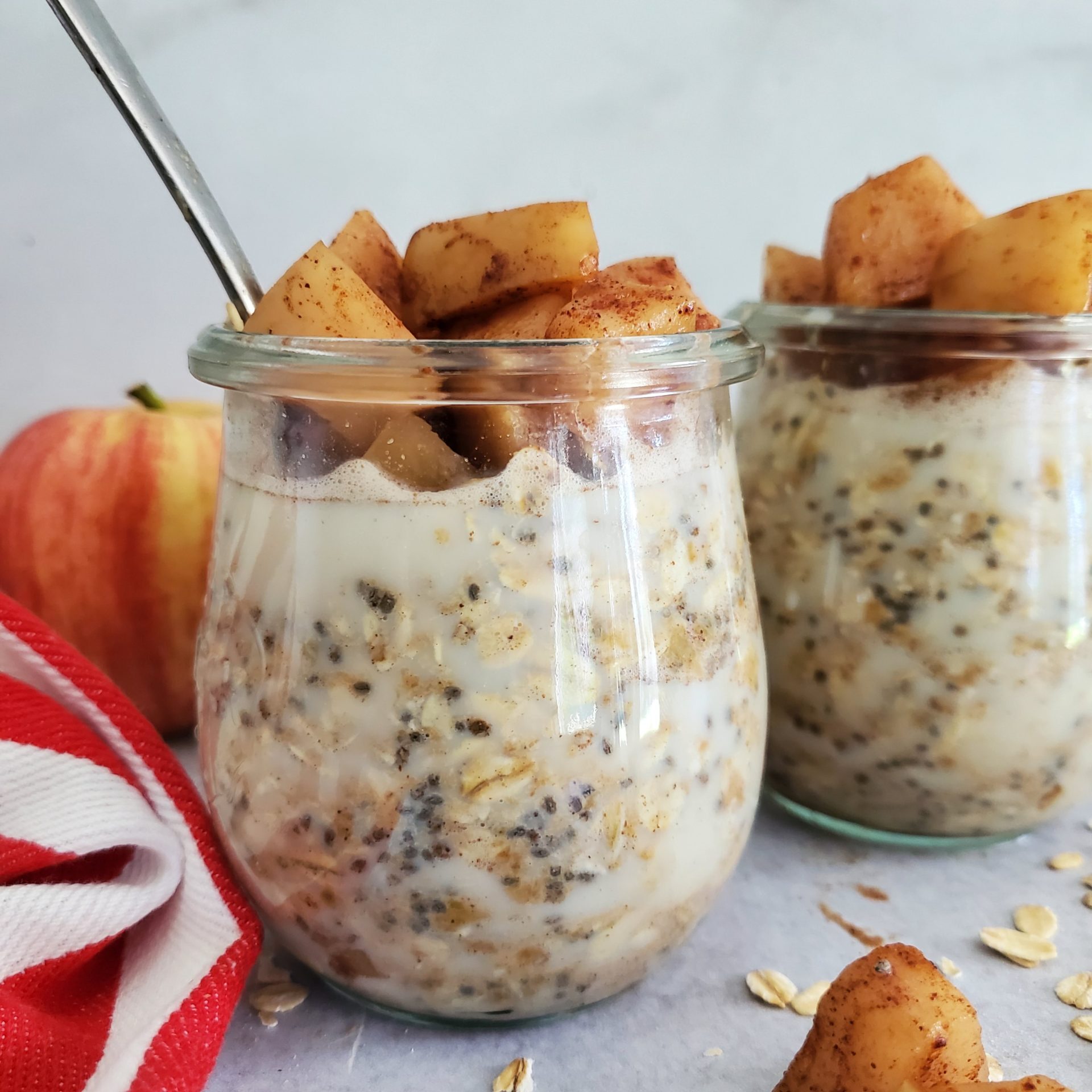
There’s room for naturally sweet flavors, too! These fruit-forward overnight oats put whole fruit and whole grains to work for an easy breakfast you can prep ahead.
Diabetes-friendly resources
Need a quick resource to reference? Have more questions? Check out these resources to learn more and connect with experts.
Have A Plant® Diabetes Handout
American Diabetes Association
Academy of Nutrition & Dietetics
The information on this page is not intended as a substitute for medical advice. People with diabetes should work with healthcare professionals to create an individual treatment plan.