Roasting is one of the easiest ways to make vegetables genuinely crave-worthy, and the right seasoning is what takes them from good to unforgettable. Here’s everything you need to know!
Why does roasting make veggies taste so good?
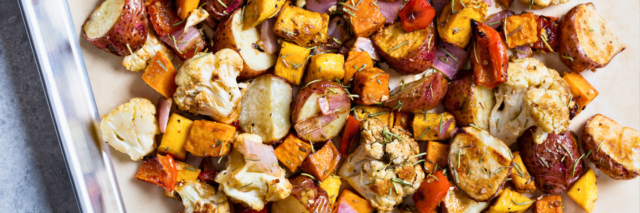
It all comes down to heat. When veggies are roasted at high temperatures, their natural sugars caramelize, creating golden, slightly crispy edges and a subtle sweetness. That’s what makes them craveable and have you coming back for more.
What are the best herbs & spices for roasted veggies?
You don’t have to go out and buy a whole new spice rack of herbs and spices. Using what you already have in your pantry is the way to go! Here are some tried-and-true pairings to get you started:
- Smoked paprika: Works on practically any vegetable and adds a rich, smoky depth without any spicy heat.
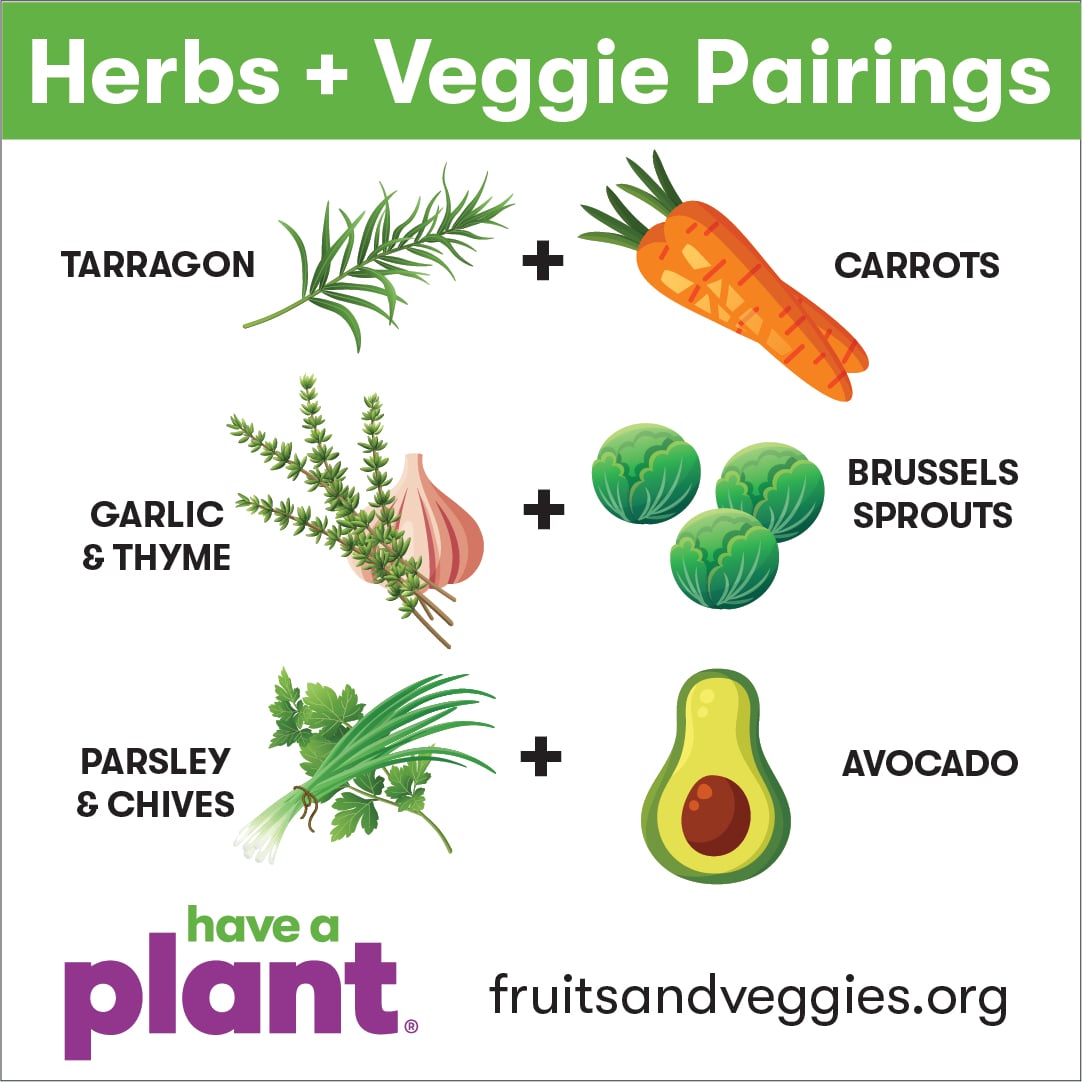
- Garlic & thyme: A classic combo that makes Brussels sprouts genuinely irresistible.
- Tarragon: An underrated hero for roasted carrots. Slightly sweet, slightly anise-y, totally delicious.
- Cumin: Warm and earthy, perfect for sweet potatoes or butternut squash.
- Turmeric: Pairs beautifully with cauliflower and adds a gorgeous golden color to your sheet pan.
Don’t be afraid to mix and match – some of the best flavor combos happen when you experiment!
Should I use fresh or dried herbs?
Both work great! It comes down to what you have on hand and what flavor profiles you’re going for. Dried herbs are generally the better choice for roasting since fresh herbs can burn at high heat. A good rule of thumb is to use about a third of the amount when swapping dried for fresh, since dried herbs have a more concentrated flavor. If you love fresh herbs, save them for a finishing garnish right before serving.
Pro tips for seasoning roasted veggies
A few simple techniques make a big difference:
- Oil first, spices second. Tossing your veggies in olive oil before adding spices helps the seasoning stick and promotes even browning.
- Don’t overcrowd the pan. Give your vegetables room to breathe. A crowded pan traps moisture and leads to steaming instead of roasting. The veggies need space to get those crispy edges!
- Finish with acid. A squeeze of lemon juice or a drizzle of balsamic vinegar right after roasting brightens everything up and balances the richness of the spices.
- Build your own blend. Once you find combinations you love, mix up a batch and keep it in a small jar on your counter.
Eating more vegetables doesn’t have to feel like a chore – and honestly, a well-seasoned sheet pan of roasted veggies might just be one of the most satisfying things you can make. Grab your favorite spices, turn on the oven, and see what you can create.
Want to keep exploring? Check out How to Make Vegetables Taste Good: Flavor Pairings & Cooking Strategies and Spice Up Your Fruits & Veggies for even more ideas.