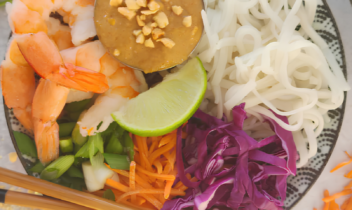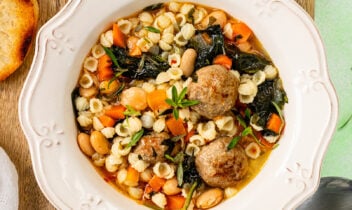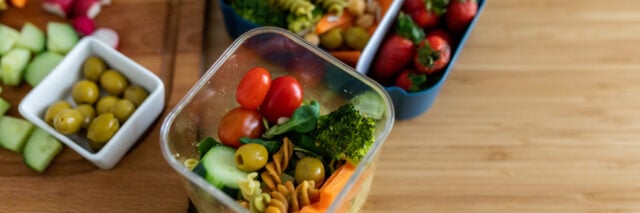
When encouraging people to eat more fruits and vegetables, education is important, but it’s only part of the equation. Fruits and vegetables become part of everyday life through small choices and routines that happen again and again. Helping people turn those into fruit and vegetable habits means looking beyond what they know to what makes fruits and vegetables appealing, practical, and easy to repeat.
What makes a habit stick?
Habits take shape when a behavior is easy enough to do, rewarding enough to want to do again and repeated often enough to become part of a routine.
Habit = Ease + Reward + Repetition 1
For fruits and vegetables, those ingredients can take many forms:
Ease: Make fruits and vegetables simple to choose, prepare, or eat. That might mean washing and cutting produce ahead of time, keeping it within easy reach, or choosing convenient options when time is limited.
Reward: Make the experience enjoyable. Great taste, convenience, family connection, or the satisfaction of finding a new favorite can all give someone a reason to do it again.
Repetition: Connect fruits and vegetables with things that already happen regularly. Adding fruit to breakfast, packing produce with lunch, or serving a vegetable with a favorite dinner creates another opportunity to repeat the behavior.
The goal isn’t to find one perfect habit that works for everyone. It’s to help people find actions that fit their lives well enough to repeat.
Putting “Know, Feel, Do” to work
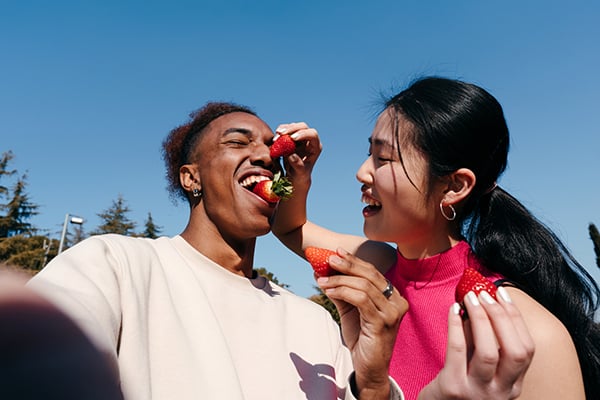
So how can we help create more of those opportunities? The “Know, Feel, Do” framework from The Foundation for Fresh Produce looks at three important parts of behavior change: what people understand, how they feel, and what they actually do. Together, they offer a useful way to think about how to build understanding, create positive connections, and make the next step easy to take. Research examining healthy eating interventions has found greater effects as approaches shift from cognition to affect to behavior. 2
Know: What information would actually help?
Knowledge matters, but more information isn’t always the answer. The most useful information may be the kind that helps someone overcome a specific barrier or makes a choice feel more doable.
Someone who struggles to use fresh vegetables before they spoil, for example, may benefit more from learning how to store them, freeze them, or use frozen or canned options, rather than from another reminder to eat more vegetables. Someone who isn’t comfortable preparing a particular fruit may simply need an easy way to cut or serve it.
Consider what someone needs to know to make the next choice a little easier.
Feel: What would make it worth repeating?
How people feel about an experience can be just as important as what they know. Research from The Foundation for Fresh Produce has found that habitual fruit and vegetable eaters report significantly more enjoyment and pride from preparing and serving produce than those without those habits. 1
Think about the anticipation of biting into the first sweet strawberries of the season, the joy of sharing a favorite dish packed with flavor, or the pride that comes from finding a delicious way to prepare a new vegetable. Flavor, culture, family traditions, and positive experiences can all create meaningful connections that give people a reason to come back to fruits and vegetables again.
The question isn’t only, “Why is this good for you?” It can also be, “What could make this something you look forward to?”
Do: What’s easy enough to try?
Broad advice like “eat more vegetables” leaves a lot of work between intention and action. A small, specific step gives someone somewhere to start.
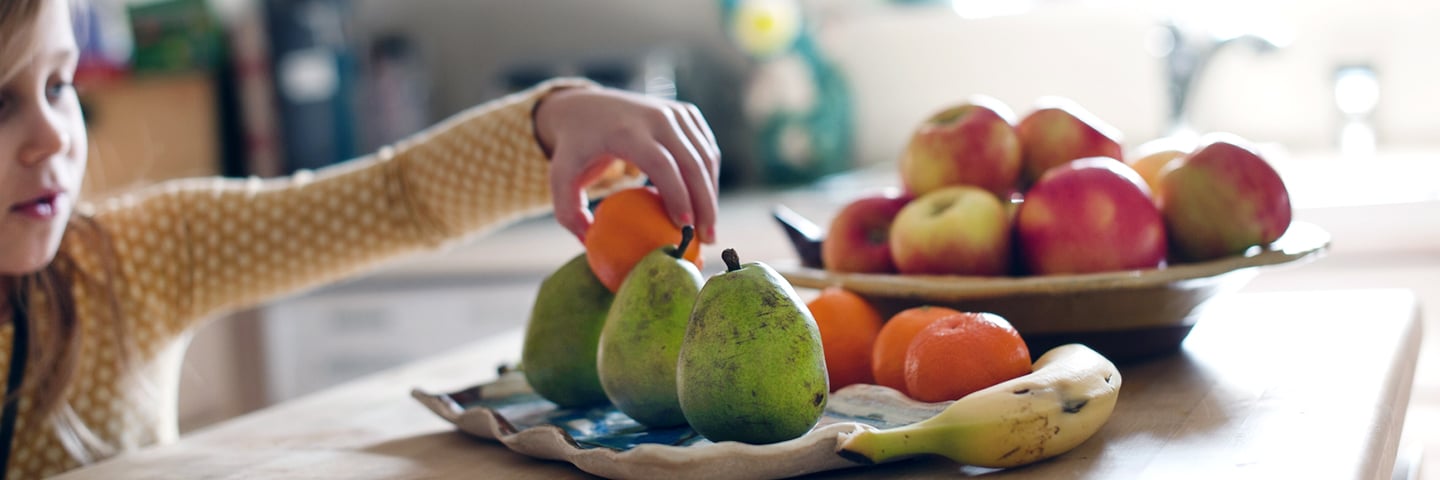
That might mean keeping fruit on the counter for an easy snack, adding frozen vegetables to a pasta dish that’s already in the dinner rotation, or prepping vegetables while putting away groceries so they’re ready when needed.
When an action is simple and fits into something a person already does, there’s another opportunity to do it again.
A fruit habit may not be a vegetable habit

It’s also important to remember that “fruits and vegetables” aren’t necessarily one behavior.
Research suggests that the opportunities for building fruit and vegetable habits can be quite different. Fruit may already fit naturally into some routines because it can be sweet, portable and kid-friendly. Vegetables may sometimes require more preparation or may be perceived as less flavorful. 1
The habits people already have matter, too. Those who eat fruits and vegetables more frequently tend to have more routines that support those choices, such as keeping produce visible, preparing it ahead of time, and adding it to familiar or favorite dishes. 1
Instead of asking someone to simply “eat more fruits and vegetables,” consider where a fruit or vegetable already fits naturally into their day and what small change could make it easier to choose again tomorrow.
From one choice to an everyday habit
Helping people build fruit and vegetable habits doesn’t necessarily mean giving them more information or asking them to overhaul the way they eat. It can start with something much smaller: an appealing choice that’s easy to make and easy to repeat.
Know, Feel, Do can help identify what might be missing. Does someone need useful information? A more positive or rewarding experience? A practical next step?
When those insights are paired with ease, reward, and repetition, the focus shifts from simply encouraging people to eat more fruits and vegetables to helping create the conditions that make those choices easier to repeat.